
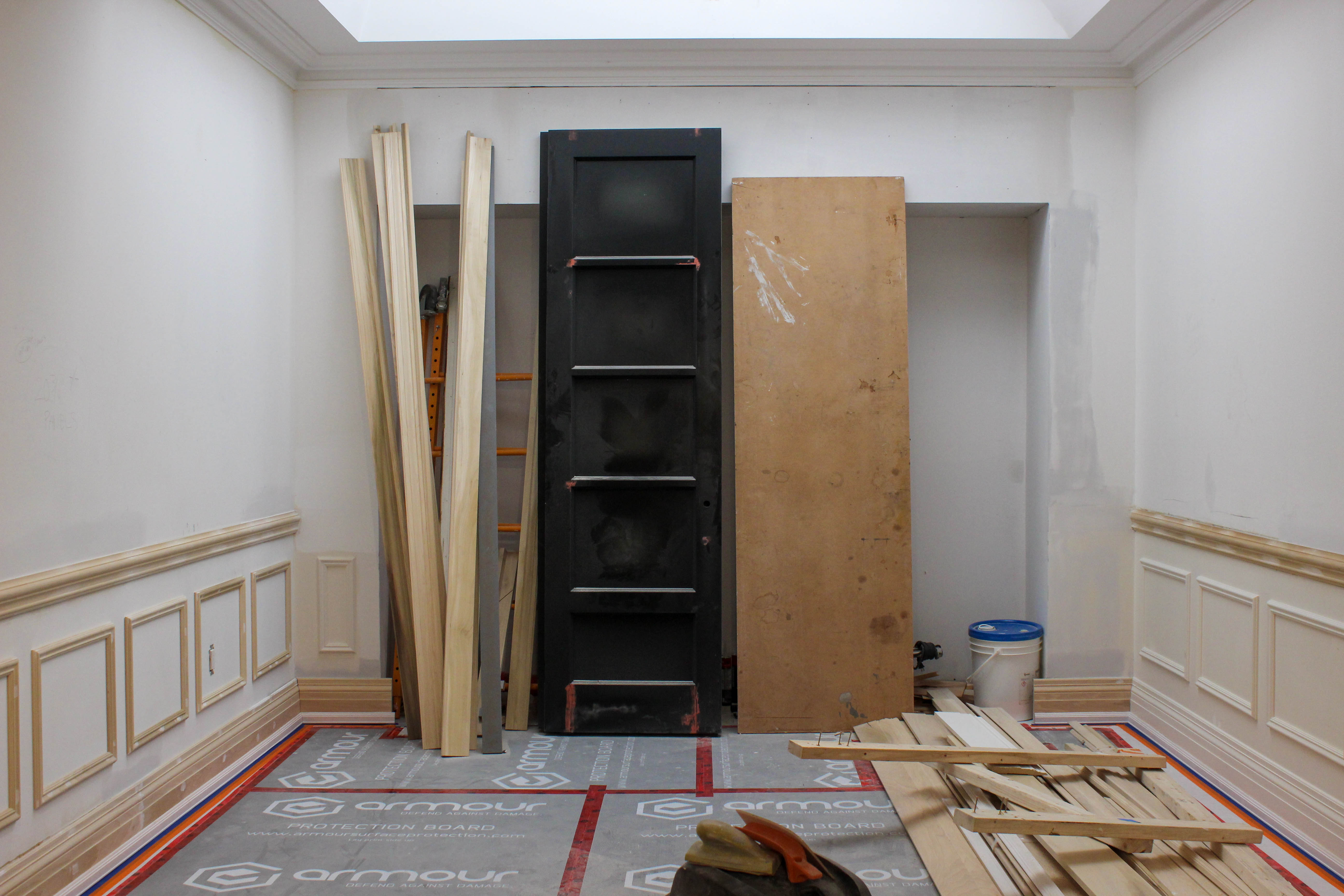
Renovation isn’t just about vision boards and Pinterest pins — it’s a gritty, unpredictable ride. Here’s what I’ve learned after two decades in the design trenches.
Let me start by saying this: renovation projects almost never go exactly as planned. I’ve been an interior designer for over 20 years, and I’ve seen it all — the budget blowouts, the miscommunications, the cracked foundations (both literal and figurative). What I want to do here is strip away the idealism and give you a real, no-filter look at what it actually takes to get from concept to completion.
Whether you’re a new designer, a builder, or a homeowner diving headfirst into a reno, these are the things I wish more people talked about upfront.
1. Timelines Lie (Even the Good Ones)
Even when everyone’s being honest, timelines are optimistic guesses. Weather delays, permit hiccups, backordered tile — these things aren’t exceptions, they’re the norm. I’ve worked with the best teams and still found myself saying, “We’re two weeks behind, but we’re still good.”
That’s why I always build in a buffer — and if you’re a designer or project manager, you should too. Set the expectation early that this isn’t a fast or linear process. Trust me, your future self will thank you.
2. Clients Will Change Their Minds (A Lot)
And that’s okay — to a point. The thing is, most clients don’t know what they really want until they see it. You can have all the mood boards in the world, but when the cabinetry samples arrive or the lighting goes up, opinions shift.
My job is to anticipate indecision and make room for it in the process. If you’re a client reading this — know that your clarity comes with context. And that’s normal.
3. Your Contractor Is Not Your Project Manager
I say this with all the love in the world: amazing tradespeople are worth their weight in gold, but they’re not there to hold your hand through every detail. That’s my job — or yours, if you’re the designer.
Where people get stuck is assuming the GC will chase down every quote, cross-reference millwork specs, or make last-minute sourcing calls. They won’t. That’s where the real gaps happen — and where a designer can keep the machine running.
4. Budget Blind Spots Are Inevitable
You think you’ve planned for it all — but then there’s electrical rework, fire-code upgrades, or surprise structural fixes. I’ve rarely seen a renovation without at least one “well, we didn’t see that coming” moment.
To this day, I still recommend setting aside 15–20% of your total budget as a contingency. If you don’t use it, great. But if you do, it won’t feel like a crisis.
5. Design Fatigue Is Real
No one talks about this enough — decision fatigue can derail momentum. At the start of a project, clients are enthusiastic and focused. But six months in, when they’re choosing door hinges and switch plates? Over it.
That’s when I take over the small stuff. I keep my clients engaged for the big decisions and make the rest seamless. The goal is to protect their bandwidth and excitement. Because the finish line is worth it.
6. Renovating Is Emotional (and That’s Okay)
It’s not just logistics — it’s your money, your space, your vision. I’ve had clients cry happy tears and frustrated ones. I’ve navigated relationship tension, job stress, even pregnancies during a renovation.
As designers, part of our role is emotional intelligence. We’re not therapists, but we are there to ground the process. And if you’re going through it? You’re not alone — even when it feels like it.
7. Trust Is Everything — And It’s Earned
When you find someone you trust — whether a designer, builder, or contractor — hang onto them. Trust is the currency that carries a project through its toughest moments.
I work hard to earn that trust by being clear, present, and honest. I don’t sugarcoat delays or hide budget overages. That transparency is the foundation of every successful project I’ve led.
Final Thoughts
I created WHouse — and the Design Wisdom™ course — to be the kind of resource I wish I had when I was starting out. Or frankly, the kind of tool I wish some of my clients had before jumping into a renovation.
Renovating isn’t a pretty highlight reel. It’s messy, intense, and incredibly rewarding — if you walk into it with your eyes open.
And if you need a second opinion, a gut check, or someone to help connect the dots? That’s what I’m here for.